21 August 2026
Yema Cake Recipe (Filipino Chiffon with Yema Custard)
RecipeShare Test Kitchen
4.6(12 ratings)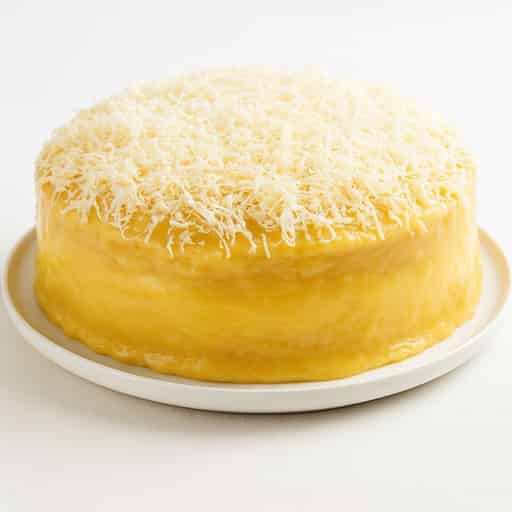
Make Filipino yema cake with light chiffon layers and rich condensed-milk custard, a bakery-style dessert for birthdays, holidays, and merienda.
Prep time
30 min
Cook time
40 min
Total time
1 hr 10 min
Servings
10
Recipe Snapshot
DifficultyMedium
MealDessert
Meal PrepExcellent
Family FriendlyYes
CuisineFilipino
Chef's Tips
Ensure the yema filling is thick enough before using it to layer or top the cake, otherwise it may slide off.
Beat egg whites until stiff peaks for a light, airy chiffon texture.
For a fruity twist, add grated cheese or macapuno strings on top before serving.
Use parchment paper on the bottom of the pan to help release the cake easily.
Tools Used
9-inch Round Cake PanMixing Bowls(opens in a new tab)Electric Mixer(opens in a new tab)Saucepan(opens in a new tab)
We use affiliate links, which may earn us a small commission at no extra cost to you.
Ingredients
Ingredients
Servings
10 servings1×
Scale
Ingredient amounts update instantly.
Yema Filling
Chiffon Cake
Instructions
Prepare Yema Filling
- 1
In a saucepan, combine condensed milk, egg yolks, and evaporated milk.
- 2
Mix in cornstarch and whisk until smooth.
- 3
Cook over low heat, stirring continuously, until the mixture thickens.
- 4
Remove from heat and add butter. Stir until well incorporated.
- 5
Set aside to cool.
Make Chiffon Cake
- 1
Preheat your oven to 325°F (160°C).
- 2
In a bowl, sift together cake flour, baking powder, and salt.
- 3
Add white sugar, vegetable oil, pineapple juice, and egg yolks to the dry ingredients. Whisk until smooth.
- 4
In a separate bowl, beat egg whites, sugar, and cream of tartar until stiff peaks form.
- 5
Gently fold the egg white mixture into the cake batter.
- 6
Pour the batter into a greased and floured 9-inch round cake pan.
- 7
Bake for 25-30 minutes, or until a toothpick inserted comes out clean.
- 8
Allow the cake to cool for 10-15 minutes before removing from the pan.
Assemble
- 1
Cut the chiffon cake horizontally into two layers.
- 2
Spread a generous amount of yema filling on the bottom layer.
- 3
Place the second layer on top and cover with the remaining yema filling.
- 4
Refrigerate for at least 2 hours before serving.
Plan This Recipe
Save this recipe to one of your meal plans or browse your existing plans.
Learn More
Everything you want to know about this recipe.
Yema Cake Recipe
Yema Cake Recipe
Filipino yema cake is a light chiffon cake layered and covered with yema, the rich condensed-milk-and-egg-yolk custard associated with Filipino sweets. The appeal is the contrast: airy sponge against a smooth, sweet filling that makes the cake feel like a bakery celebration cake without needing elaborate pastry decoration.
This RecipeShare version follows a Chef RV Manabat demonstration listed in the source metadata. It is presented as an adaptation for home bakers, not as an official or endorsed recipe. The recipe card keeps the original ingredient quantities and method: pineapple juice in the chiffon gives the crumb a gentle tang, while cornstarch helps the yema hold its shape between the layers.
Why This Recipe Works
Why This Recipe Works
Chiffon is a good match for yema because its foam-based structure is light enough to balance a rich custard. The egg whites need to reach stiff peaks, but they also need to be folded gently. Deflating them or mixing too aggressively leaves the cake dense and makes the filling feel heavier.
The pineapple juice is not just extra liquid. Its acidity gives the sweet cake a little lift in flavour and works with the baking powder in the batter. Keep the dry ingredients sifted and fold only until combined so the chiffon retains the air created by the whipped whites.
For the yema, cornstarch provides additional thickening alongside the egg yolks and condensed milk. Cook it over low heat while stirring continuously so it thickens evenly without scrambling at the base of the pan. The filling should be glossy and spreadable, closer to a thick custard than a pourable sauce. Cool it before assembly; warm yema is more likely to slide out between the layers.
Chilling the assembled cake is part of the structure, not just a serving preference. It firms the custard, gives the chiffon time to settle, and makes cleaner slices possible.
Troubleshooting
Troubleshooting
Why did my chiffon cake collapse?
The most common causes are under-whipped egg whites, overmixing during folding, or opening the oven too early. Beat until the whites hold stiff peaks, fold in two or three additions with a light hand, and bake until the centre is set.
Why is my Yema Cake dense instead of fluffy?
The batter may have lost too much air during mixing, or the raising agents may be old. Sift the dry ingredients, avoid pressing the mixture down, and stop folding as soon as no obvious streaks remain.
Why is the yema filling runny?
It needs more time over low heat or was assembled while still warm. Continue stirring until the mixture visibly coats the spatula, then cool it before spreading. Do not solve a runny filling by adding an excessive amount of raw cornstarch at the end, which can leave a chalky texture.
How thick should the yema be before assembly?
It should hold a soft ridge when dragged with a spatula and should not flow quickly back into the saucepan. It will firm further in the refrigerator, but it should already be spreadable and stable at room temperature before layering.
Serving, Nutrition, and Storage
Serving, Nutrition, and Storage
Chill the finished cake for at least two hours before slicing. Add grated cheese or macapuno strings just before serving if you want a more traditional bakery counter finish. The recipe card estimates about 450 calories per slice, based on one of ten portions; the final value changes with slice size and toppings.
Keep the assembled cake refrigerated because of the custard filling. It is particularly useful as a make-ahead dessert: several hours of chilling improve the texture and make the layers easier to cut. Store covered and use within three days for the best chiffon texture.
Related Filipino Desserts
Related Filipino Desserts
For another Filipino custard-and-chiffon combination, try Dreamy Ube Leche Flan Cake. For a more traditional Filipino baked cake with condensed milk and coconut, see Creamy Filipino Cassava Cake. These recipes share the same celebration and merienda setting but use different sponge and custard structures.
Nutrition Facts
Nutrition Facts
Serving Size: 1 slice (1/10 of cake)
Calories 45023%
% Reference Intake*
Total Fat 23g33%
Saturated Fat 9g45%
Trans Fat 0g
Cholesterol 195mg
Sodium 220mg
Total Carbohydrates 55g21%
Dietary Fiber 1g
Sugars 40g44%
Protein 10g20%
* Reference intakes are based on an average adult's 8,400 kJ / 2,000 kcal diet. Your needs may be higher or lower.
FAQs
What is Yema Cake made of?
Yema Cake is a chiffon cake layered with a rich custard filling made from condensed milk, egg yolks, and evaporated milk.
Can I use calamansi instead of pineapple juice?
Yes! Calamansi juice adds a tangy twist to balance the sweetness of the yema.
How do I know if my chiffon cake is baked?
Insert a toothpick in the center—if it comes out clean, the cake is done.
How do I make the yema filling thicker?
Cook the mixture longer on low heat and don’t skip the cornstarch—it helps set the custard.
Community Reviews
See how other home cooks made this recipe, then share your own experience.
4.6
12 ratings
5
67%
4
25%
3
8%
2
0%
1
0%
How would you rate this recipe?
Share your experience and help others.
Sofia C.
· 20 Aug 2026The yema was much easier to spread after it cooled. Chilling the finished cake also made the layers hold together neatly when sliced.
Bryan M.
· 26 Jul 2025My chiffon collapsed a bit—maybe I overmixed the batter? Still tasted fantastic though.
Jen S.
· 26 Jun 2025I chilled the cake overnight before serving and the texture was perfect. Don’t skip that step!
April C.
· 24 Apr 2025I used calamansi juice instead of pineapple—adds a nice tang! Will definitely make again.
Daniel P.
· 23 Mar 2025Made this for our weekend potluck. Everyone thought I bought it from a Filipino bakery!
Lianne V.
· 21 Jan 2025This was my first time baking a chiffon cake and it turned out soft and fluffy. The yema was thick and glossy—thank you for the step-by-step guide!
Ivy P.
· 20 Sept 2024A bit too sweet for me, but my kids loved it! Will try reducing sugar next time.
Carlos G.
· 19 May 2024It was easy to follow and tasted delicious. I added a layer of grated cheese on top—so good!
Mia L.
· 18 Feb 2024This cake turned out amazing! The yema filling is so creamy and brings back childhood memories.
Mira T.
· 25 Nov 2023Thank you for this! Reminds me of Goldilocks yema cake in the Philippines.
Kevin D.
· 22 Aug 2023Followed it to the letter—turned out really well. Next time I’ll try adding grated cheese on top.
Angela R.
· 20 Apr 2023I made this for my son’s birthday and it was a hit! The yema filling is so nostalgic.
Browse this topic

Best Filipino Holiday Desserts: Leche Flan, Brazo de Mercedes, Cassava Cake & More
A curated hub of Filipino holiday desserts for Noche Buena and parties — from creamy Leche Flan and Brazo de Mercedes to Cassava Cake.
10 recipes • Updated 17/09/2025

Filipino Cake Recipes: Bakery Favorites and Celebration Classics
Explore Filipino cake recipes from yema cake and chiffon layers to banana cakes, cupcakes, and creamy celebration bakes with practical home baking tips.
15 recipes • Updated 25/08/2025
Filipino Bakery Classics
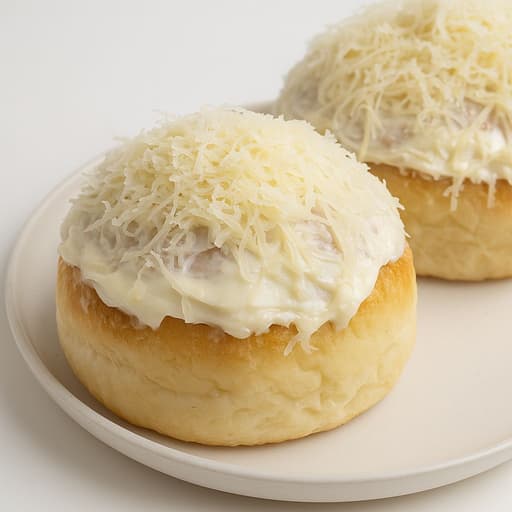
Filipino bakery classics including pandesal, Spanish bread, ensaymada, yema cake, and crinkles for breakfast, merienda, and gifting.
7 recipes • Updated 09/08/2026
Create Your Own Recipe
Add your personal creations and build your own recipe collection.